
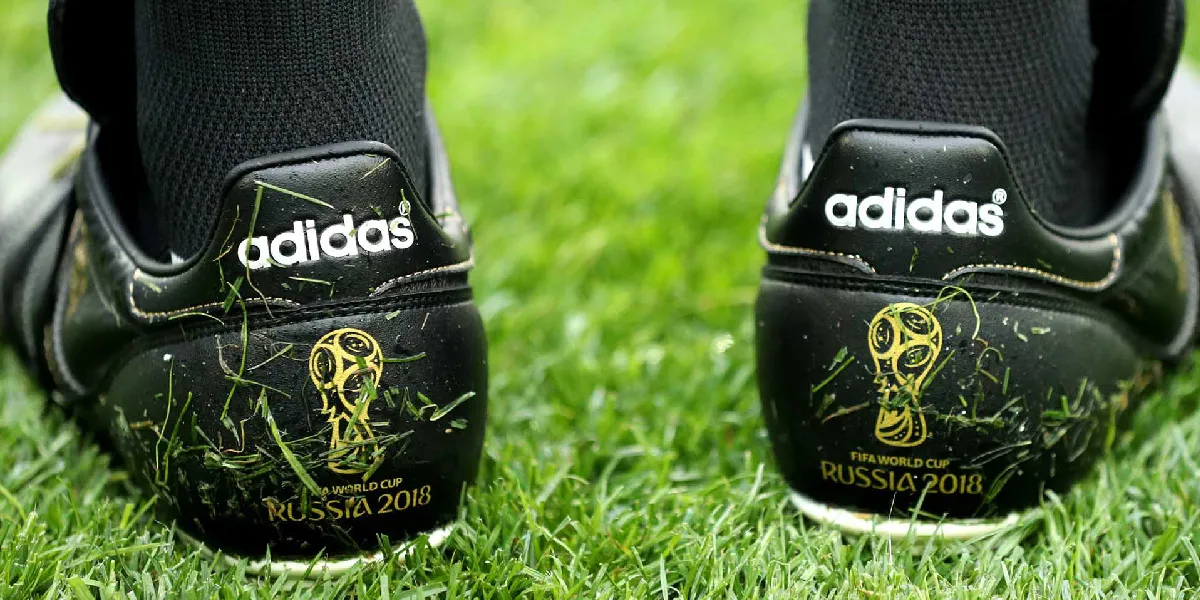
How to choose best shoes for soccer referees in the game

Choosing the right shoes can make a big difference for a soccer referee. While good shoes are not the only factor that determines whether a referee has a successful game, comfortable and supportive footwear can help reduce fatigue and keep you moving confidently throughout the match.
Soccer referees cover a lot of ground during a match. Depending on the level and style of play, a referee may spend 90 minutes or more running, jogging, walking, and constantly changing direction. The right pair of shoes can provide the comfort, traction, and stability needed to perform consistently from the opening whistle to the final whistle.
But what are the best shoes for a soccer referee? The answer depends on the playing surface, weather conditions, your running style, and personal preference.
In this guide, we will look at the most important factors to consider when choosing soccer referee shoes and help you find the right option for your matches.
What Should Soccer Referees Look for in Shoes?
Referees work in different environments. You may officiate on natural grass, artificial turf, or indoor courts. Unlike players, referees also need to move continuously across large areas of the field, often making repeated changes of direction.
Therefore, the best referee shoes should provide a good balance of traction, comfort, stability, durability, and lightweight performance.
Key Considerations When Choosing Soccer Referee Shoes
1. Choose the Right Shoes for the Playing Surface
The surface you officiate on should be one of the first things you consider. Different soles and traction patterns are designed for different surfaces.
Natural Grass
For natural grass fields, the ideal footwear depends on how firm or soft the surface is. On firm and relatively dry fields, shoes with appropriate firm-ground traction can provide good grip. If the field is soft or wet, choose footwear that provides enough traction without using excessively aggressive studs.
Artificial Turf
If you regularly officiate on artificial turf, turf shoes are a practical choice. Their multiple small rubber studs provide consistent traction across synthetic surfaces while allowing comfortable lateral movement.
Indoor or Hard Courts
For indoor soccer or hard courts, choose indoor soccer shoes with a flat, non-marking rubber outsole. These shoes provide grip and stability without leaving marks on the court.
2. Comfort and Proper Fit
Comfort is especially important for referees because you may be on your feet and moving continuously for the entire match.
- Look for adequate cushioning to absorb impact while running and jogging.
- Choose a shoe that provides good arch and heel support.
- Your heel should feel secure without excessive movement inside the shoe.
- Make sure there is enough room around your toes so they are not squeezed.
- Breathable materials can help keep your feet cooler during long matches.
Avoid choosing a shoe simply because it looks good. A comfortable fit is much more important when you are covering several kilometers during a match.
3. Durability
Referee shoes can experience significant wear because they are used repeatedly for training, matches, and sometimes in changing weather conditions.
Look for shoes made with durable upper materials, reinforced stitching, and a strong outsole. A durable pair may cost more initially but can provide better value if it remains comfortable and supportive over a longer period.
4. Lightweight Construction
Soccer referees are constantly moving. Heavy shoes can contribute to leg and foot fatigue, especially during the second half of a match.
A lightweight shoe can make repeated running and changes of direction feel easier. However, do not sacrifice stability and support simply to save a few grams. The best option is a shoe that offers a good balance between low weight and sufficient support.
5. Traction and Stability
Referees frequently accelerate, slow down, turn, and move laterally. Good traction helps you maintain control of your movement and reduces the chance of slipping, particularly when the surface is wet.
- Choose an outsole designed for your playing surface.
- Look for a secure heel and stable platform.
- Avoid soles that are excessively aggressive for the surface.
- Make sure the shoe allows natural movement when changing direction.
6. Professional Appearance
Appearance is not as important as comfort or performance, but it can still matter for referees. Many referee organizations and leagues prefer a professional and consistent appearance.
Black or neutral-colored shoes are often a safe choice because they work well with most referee uniforms. Before buying, check whether your competition has any specific footwear or uniform requirements.
What Are the Best Types of Shoes for Soccer Referees?
There is no single shoe that is perfect for every referee. Your best choice depends mainly on where you officiate and what type of footwear feels most comfortable for you.
1. Turf Shoes
Turf shoes are a popular option for referees who work on artificial turf and firm surfaces. Their small rubber studs provide good grip while allowing comfortable movement.
Examples: adidas Mundial Team, Nike Tiempo Legend Turf
2. Running Shoes
Running shoes can be comfortable for referees who prioritize cushioning and long-distance comfort, particularly when working on suitable firm, dry surfaces.
Examples: ASICS GEL-Nimbus, Brooks Ghost
3. Soccer Shoes
Soccer-specific footwear can be a good choice when you need more surface-specific traction and stability. Select the sole type according to the field you officiate on.
Examples: Puma King and other firm-ground or turf models
A Note About Running Shoes
Running shoes can offer excellent cushioning and comfort, but they are not automatically the best choice for every soccer field. Their outsole may not provide the same traction or lateral stability as footwear designed specifically for soccer surfaces. Always consider the field conditions before choosing running shoes for officiating.
How to Maintain Your Soccer Referee Shoes
Even a high-quality pair of shoes will wear out faster if it is not properly maintained. A few simple habits can help extend the life of your referee footwear.
Clean After Every Match
Remove mud, dirt, and grass from the outsole and upper after each game. Keeping the outsole clean also helps maintain its traction.
Dry Your Shoes Properly
If your shoes become wet, allow them to air-dry naturally in a well-ventilated area. Avoid excessive direct heat, which can damage some shoe materials and adhesives.
Check the Outsole Regularly
Inspect the outsole for excessive wear. If the traction pattern has become significantly worn, it may be time to replace the shoes.
Replace Worn Insoles
If the original insoles have lost their cushioning or support, replacing them with suitable quality insoles can improve comfort. Make sure the replacement insole fits the shoe correctly.
Final Thoughts: Choosing the Best Shoes for a Soccer Referee
The best soccer referee shoes are not necessarily the most expensive shoes or the most popular model. They are the shoes that match your playing surface and provide the right combination of comfort, traction, stability, durability, and weight.
If you regularly officiate on artificial turf, turf shoes may be a practical option. If cushioning and long-distance comfort are your priorities, a suitable running shoe may work well on appropriate surfaces. For natural grass, choose footwear with traction designed for the field conditions.
Most importantly, break in your shoes before using them for an important match. Wearing new shoes for the first time during a competitive game can lead to discomfort or blisters.
Don't Forget: Communication Matters Too
Comfortable footwear helps you move around the field, but effective communication is also an important part of modern soccer officiating. Referee communication systems can help referees stay connected with their team during the match, especially when working with assistant referees over large distances.
