
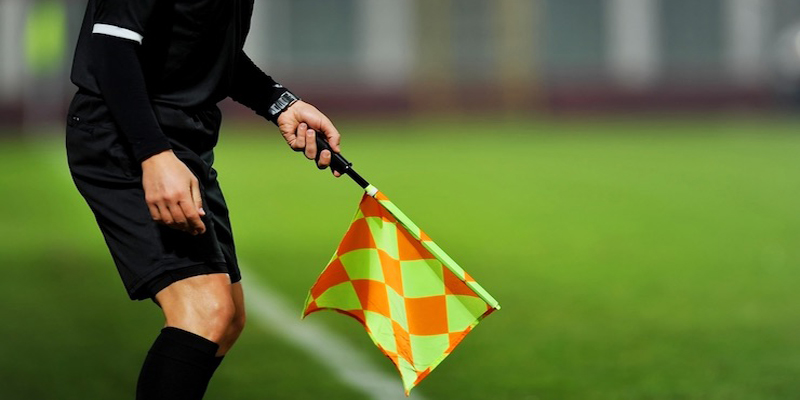
The Duties Of Assistant Referees and How They Assist The Main Referee

Assistant referees do far more than patrol the touchline. From offside decisions to ball in-and-out judgments, foul recognition, and fast communication with the referee, they are a crucial part of match control at every level of football.
To officiate a match well, the referee team must work as one unit. While the referee has the final authority on the field, assistant referees provide extra angles, extra information, and extra support in key moments. In modern football, that support can make the difference between a smooth, well-managed match and one full of avoidable mistakes.
What Is an Assistant Referee in Soccer?
An assistant referee is one of the officials who works alongside the referee during a football match. In older terminology, assistant referees were often called linesmen, but the official modern term is assistant referee.
In a standard match, there are usually two assistant referees—one on each touchline. Their job is to assist the referee by observing play from a different angle, signalling important decisions, and helping the referee team maintain control of the game.
Although assistant referees play a major role in decision-making, the referee remains the final authority. The assistant referee’s job is to support the referee with accurate information, not to replace the referee’s judgment.
Main Duties of Assistant Referees
The exact responsibilities of an assistant referee can vary depending on the level of competition, the competition rules, and whether a fourth official or VAR team is involved. However, the core duties are broadly the same across the game.
1. Offside decisions
Offside is one of the most important responsibilities of an assistant referee. The assistant referee tracks the attacking players, the second-last defender, and the moment the ball is played. If a player in an offside position becomes involved in active play, the assistant referee signals for the offside offence.
This is one of the hardest jobs in officiating because it requires concentration, positioning, and split-second judgment. At higher levels of football, assistant referees are trained to delay the flag slightly in certain close situations until it is clear that the player has become actively involved in play.
2. Ball in-and-out of play decisions
Assistant referees also help determine when the ball has fully crossed the touchline or goal line. Just as importantly, they help indicate which team should receive the restart, whether that is a throw-in, goal kick, or corner kick.
These decisions may seem simple, but in fast matches they happen constantly. A reliable assistant referee helps the referee restart play quickly and confidently.
3. Fouls and misconduct outside the referee’s view
Another key responsibility is helping the referee identify fouls, holding, pushing, or misconduct that the referee may not have seen clearly. This is especially important for incidents that happen off the ball, behind play, or near the assistant referee’s touchline.
In some cases, the assistant referee may have a much better angle than the referee and can provide crucial information about who committed the offence, where it happened, and whether the action involved careless contact, reckless behaviour, or more serious misconduct.
4. Supporting substitutions and match administration
Assistant referees may also help with substitution procedures, especially by indicating that a substitution is being requested and making sure the referee team is aware of it. In matches with a fourth official, the fourth official usually handles most of the substitution administration, but assistant referees still support the overall process when needed.
5. Helping during penalty kicks and other key moments
Depending on the referee team’s instructions and the competition level, assistant referees may also help during penalty kicks by observing goalkeeper movement, checking whether the ball fully crosses the goal line, and watching for encroachment or misconduct around the penalty area.
Assistant referees do more than wave a flag
At grassroots level, many people think the assistant referee only handles offside. In reality, assistant referees contribute to the referee team’s awareness, positioning, foul recognition, player management, and overall control of the match.
How Assistant Referees Assist the Main Referee
The best assistant referees do not simply react to incidents—they actively help the referee manage the match. Their support becomes especially important in fast transitions, crowded penalty-area situations, confrontations between players, and moments when the referee’s line of sight is blocked.
| Match Situation | How the Assistant Referee Helps | Why It Matters |
|---|---|---|
| Close offside attack | Tracks the attacker’s position and signals if an offside offence occurs. | Helps the referee make one of the most difficult decisions in football. |
| Ball near the touchline or goal line | Indicates whether the ball is out of play and which team gets the restart. | Keeps the game flowing and reduces uncertainty on frequent restarts. |
| Foul behind the referee | Communicates unseen fouls, misconduct, or off-the-ball incidents. | Allows the referee team to punish important incidents that might otherwise be missed. |
| Penalty-area crowding or holding | Provides an extra set of eyes on pushing, shirt pulling, or misconduct. | Supports more accurate major decisions in high-pressure moments. |
| Substitution request or technical-area issue | Alerts the referee and helps the referee team stay aware of off-ball administration issues. | Improves match management and keeps procedures orderly. |
How Assistant Referees Communicate with the Main Referee
Communication is one of the most important parts of good officiating. Even when an assistant referee sees the right decision, that information is only useful if it reaches the referee clearly and at the right time.
Flag signals
The most visible form of communication is the assistant referee’s flag. Assistant referees use it to signal offside offences, ball out of play, and restart decisions. Good flag technique matters because a weak or delayed signal can create confusion instead of clarity.
Eye contact and body language
Referee teams also communicate through eye contact, posture, and movement. A quick glance, a brief pause, or confident body language can help the referee understand that the assistant referee has important information or is certain about a decision.
Verbal communication
In some situations, assistant referees can communicate verbally with the referee, especially during stoppages or when play is close to their side. Clear, short communication is usually best—particularly when the referee only needs one key fact, such as who committed the foul or whether contact happened before or after the ball went out.
Referee communication headsets
In many professional and high-level matches, the referee team uses wireless communication systems to speak instantly during the game. These headsets allow assistant referees and the referee to share information in real time without relying only on flags or waiting for a stoppage.
This can be especially helpful in loud stadiums, quick counterattacks, mass confrontations, and penalty-area incidents where every second matters. A good communication system does not replace positioning or good judgment, but it can make the referee team much faster and more coordinated.
What Should an Assistant Referee Do During a Conflict Between Players?
Conflicts between players are one of the moments when teamwork inside the referee crew matters most. An assistant referee should remain calm, stay observant, and support the referee without adding more chaos to the situation.
- Get the referee’s attention quickly. If the referee has not clearly seen the incident, the assistant referee should use the flag, voice, or communication system to alert them immediately.
- Observe the important details. The assistant referee should focus on who is involved, what happened first, whether there was violent conduct, and whether any secondary incidents are happening away from the main confrontation.
- Support match control intelligently. Depending on the situation, the assistant referee may move closer to help the referee team monitor nearby players and discourage escalation. The priority is to support control, not to rush into the middle of every confrontation without purpose.
- Provide clear information. Once the situation is under control, the assistant referee should tell the referee exactly what they saw—who committed the act, what the act was, and whether it involved unsporting behaviour, violent conduct, or another offence.
- Help with the report if necessary. If the incident results in misconduct or dismissal, the assistant referee may need to assist the referee with accurate post-match reporting.
Why Assistant Referees Matter More Than Many People Realize
Football is faster, more tactical, and more demanding than ever. That means the referee cannot manage everything alone. Assistant referees help the referee team cover more space, see more incidents, and react more quickly to important moments.
At grassroots level, strong assistant refereeing can prevent avoidable mistakes and improve match control. At higher levels, the speed of play and pressure of big decisions make assistant referees even more important. Whether it is a close offside call, an unseen push in the penalty area, or a confrontation behind the referee’s back, the assistant referee often provides the information that keeps the match fair and under control.
Final Thoughts
Assistant referees are a critical part of every referee team. Their responsibilities go far beyond simply following the last defender with a flag in hand. They help with offside decisions, restart decisions, foul recognition, substitutions, and communication throughout the match.
The strongest referee teams are the ones that communicate well, trust each other, and work together as a unit. For assistant referees, that means sharp concentration, disciplined positioning, calm signals, and clear support for the referee from the first whistle to the final one.
FAQ: Assistant Referees in Soccer
What are the duties of an assistant referee in soccer?
Assistant referees help the referee with offside decisions, ball in-and-out of play decisions, throw-in / corner / goal kick decisions, foul and misconduct recognition, substitution support, and general match control.
Is a linesman the same as an assistant referee?
Yes. “Linesman” is an older term, while assistant referee is the official modern term used in football.
Can assistant referees call fouls?
Assistant referees can signal and communicate fouls or misconduct to the referee, especially when they have a better view. The referee, however, remains the final decision-maker.
How do assistant referees communicate with the referee?
They communicate through flag signals, eye contact, body language, short verbal communication, and in higher-level matches, wireless referee communication systems.
Do assistant referees help during penalty kicks?
Yes. Depending on the competition and referee team setup, assistant referees may help observe goalkeeper movement, ball-over-the-line situations, and certain player infringements around the penalty area.
Better Referee Communication Starts with the Right Gear
Clear communication between referees and assistant referees can make a major difference in fast, high-pressure matches. If you’re looking for a referee communication system designed to help your crew stay connected on the pitch, explore Reffcom’s referee headsets here.
Explore Referee Headsets