
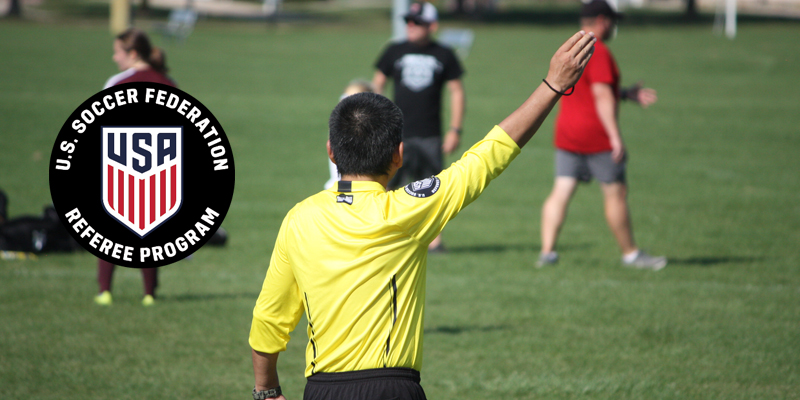

If you love soccer and want to stay involved in the game, becoming a soccer referee can be a great way to get started. Refereeing can also provide valuable experience, leadership skills, and an opportunity to earn money while supporting your local soccer community.
For many new officials, the grassroots level is the starting point of a longer refereeing journey. You can begin by officiating youth and adult matches in your local area, develop your knowledge of the Laws of the Game, gain practical experience, and eventually work toward higher referee levels.
How to Become a Grassroots Soccer Referee in the United States
The exact requirements can vary by state, but the general process is straightforward.
Check the Requirements in Your State
The first step is to check the referee registration requirements for the state where you plan to officiate.
Age requirements, registration procedures, course schedules, fees, and other requirements can vary between State Referee Committees.
U.S. Soccer provides a state-by-state directory where you can find certification courses and registration information.
Find Your State Requirements →Create an Account in the U.S. Soccer Learning Center
Most new referees will use the U.S. Soccer Learning Center as part of their referee education and registration process.
The Learning Center provides referee education materials, online courses, Laws of the Game resources, registration information, and other educational content.
Visit U.S. Soccer Learning Center →Complete the Entry-Level Referee Course
The entry-level referee course is designed to give new officials the basic knowledge and practical skills they need to begin officiating soccer matches.
The course covers topics such as:
- The role and responsibilities of a referee
- The Laws of the Game
- Fouls and misconduct
- Offside
- Restarts and match procedures
- Referee signals
- Positioning and movement
- Communication with players and coaches
- Pre-match preparation
- Match management
- Substitutions and injuries
- Timekeeping
- Post-match procedures
Attend Practical Referee Training
Learning the Laws of the Game is important, but reading the rules is not enough to become a good referee.
New referees also need practical training to learn how to apply the Laws of the Game during an actual match.
Practical training may cover:
- Referee positioning
- Assistant referee mechanics
- Whistle and flag signals
- Movement and positioning on the field
- Managing players and coaches
- Recognizing fouls
- Restart procedures
- Offside decisions
- Communication with other officials
- Match management
Complete the Certification and Registration Requirements
After completing the required education and practical training, you will need to complete the certification and registration requirements established by your State Referee Committee.
The exact process varies from state to state, so always follow the current instructions provided by your state referee organization.
What Games Can a New Referee Officiate?
Entry-level referees typically begin with local youth and adult matches. Depending on your experience, age, certification, and local competition rules, you may officiate:
Register With Your Local Referee Organization
After becoming certified, connect with the referee organization, league, or assignor responsible for assigning games in your area.
- Your State Referee Committee
- Local soccer leagues
- Youth soccer clubs
- Soccer tournaments
- Local referee associations
- Referee assignors
Start Getting Match Experience
Once you are certified, the next step is to get on the field.
Don't worry if your first assignments are relatively small youth games. Every match gives you an opportunity to improve.
- Arrive early
- Inspect the field
- Check your equipment
- Communicate with the other officials
- Understand the competition rules
- Stay close enough to play
- Make clear decisions
- Learn from every match
Continue Your Referee Education
Becoming certified is only the beginning. Soccer referees need to stay familiar with changes to the Laws of the Game and continue developing their skills.
Referee Resource Center →How Much Does It Cost to Become a Grassroots Soccer Referee?
The cost of becoming a soccer referee varies significantly depending on your state and local referee organization.
- Referee course and registration fees
- Practical training fees
- Referee uniform
- Referee shoes
- Whistle
- Watch
- Cards and other referee accessories
- Annual registration or recertification fees
How Can You Get Games After Becoming Certified?
One of the biggest questions new referees have is:
Contact Your Local Referee Assignor
Many soccer leagues use referee assignors to schedule officials for their matches. Let the assignor know that you are newly certified, your availability, and the types of games you are interested in.
Contact Local Soccer Clubs and Leagues
Local clubs and leagues frequently need referees, particularly during busy seasons and tournaments.
Look for Referee Assignment Platforms
Some leagues and referee organizations use online referee assignment systems. Depending on your location, you may encounter platforms such as GameOfficials or other referee assignment systems.
Network With Other Referees
Networking is another useful way to find opportunities. Experienced officials can provide valuable advice about local leagues, tournaments, equipment, positioning, and match management.
What Equipment Does a New Soccer Referee Need?
A referee does not need an enormous amount of equipment to start, but having the right gear can make a significant difference.
Can a Grassroots Referee Become a Professional Referee?
Yes. For referees who want to pursue officiating as a serious career, entry-level referee certification can be the beginning of a much longer pathway.
Not every referee needs to follow this entire pathway. Many officials simply enjoy refereeing youth or adult amateur soccer in their local community. Others may want to progress as far as possible.
Tips for New Soccer Referees
Know the Laws of the Game
You don't need to memorize every situation before your first match, but you should understand the basic Laws of the Game and know where to find reliable answers.
Arrive Early
Give yourself enough time to find the field, inspect the playing surface, check the goals and equipment, and prepare mentally.
Communicate Clearly
Your whistle, signals, body language, and voice are all part of your communication as a referee.
Don't Be Afraid to Make Decisions
You will make mistakes. Every referee does. The goal is to learn from those mistakes and make better decisions in your next match.
Learn From Experienced Referees
Constructive feedback from experienced referees can help you improve your positioning, decision-making, and match management.
Stay Professional
Be respectful toward players, coaches, spectators, and fellow officials. Professional behavior is just as important as knowing the Laws of the Game.
Frequently Asked Questions
How old do you have to be to become a soccer referee in the United States?
Minimum age requirements can vary by State Referee Committee. Check your state's current requirements before registering for a referee course.
Do I need to have played soccer to become a referee?
No. Playing experience can help you understand the game, but you do not have to be a former player to become a referee.
Is becoming a soccer referee difficult?
The certification process is accessible to beginners, but becoming a good referee takes practice. Positioning, communication, decision-making, and match management improve through experience.
How much can a soccer referee make?
Referee pay varies significantly depending on the age group, competition level, location, league, and referee experience. Local youth matches generally pay less than higher-level competitive or adult matches.
Can teenagers become soccer referees?
Yes. Youth referees are an important part of the U.S. soccer referee community. Check your State Referee Committee for the minimum age and registration requirements in your area.
Do soccer referees need to recertify?
Referees generally need to maintain their registration and complete the education requirements established by U.S. Soccer and their State Referee Committee.
Final Thoughts
Becoming a grassroots soccer referee in the United States is an accessible way to get involved in soccer, earn extra income, and develop valuable leadership and communication skills.
The basic process is:
You don't need to start by officiating the biggest games in your area. Start at an appropriate level, learn from every match, and gradually build your confidence and experience.
For some people, refereeing will remain a rewarding part-time activity. For others, it can become the first step toward Regional, National, or professional soccer officiating.
Looking for Referee Communication Equipment?
Clear communication becomes increasingly important as you move from local grassroots matches to more competitive soccer. A referee communication system can help officials communicate quickly and clearly during a match.
Explore Referee Communication Systems →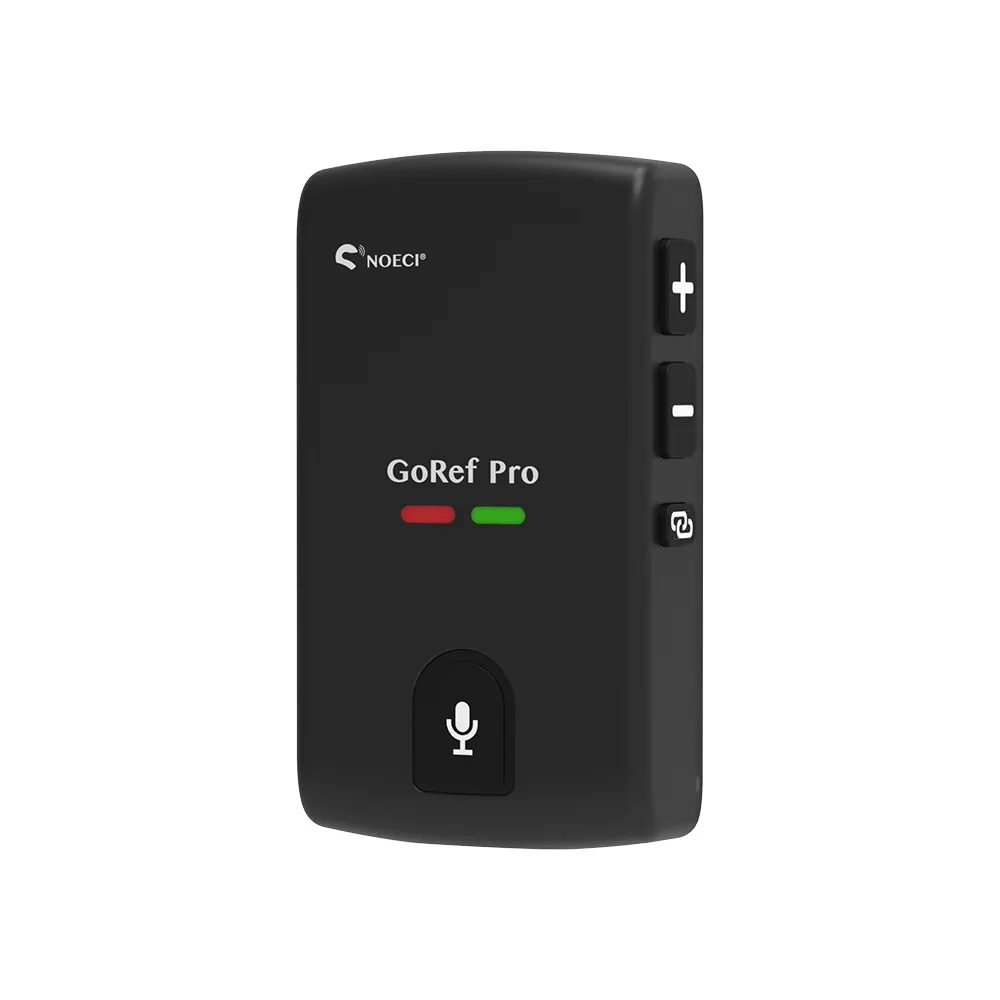
GoRef Pro Referee Headset
Built for referees who need longer range, stable group communication, and advanced features such as one-button audio recording and one-button mic mute.
- Bluetooth 5.4 for fast and stable wireless pairing
- One-button audio record with 512MB memory chip
- One-button mic mute for quick control during matches
- Clear and stable audio with noise reduction
- Up to 1500 meters communication distance
- Supports up to 6 users full-duplex group communication
